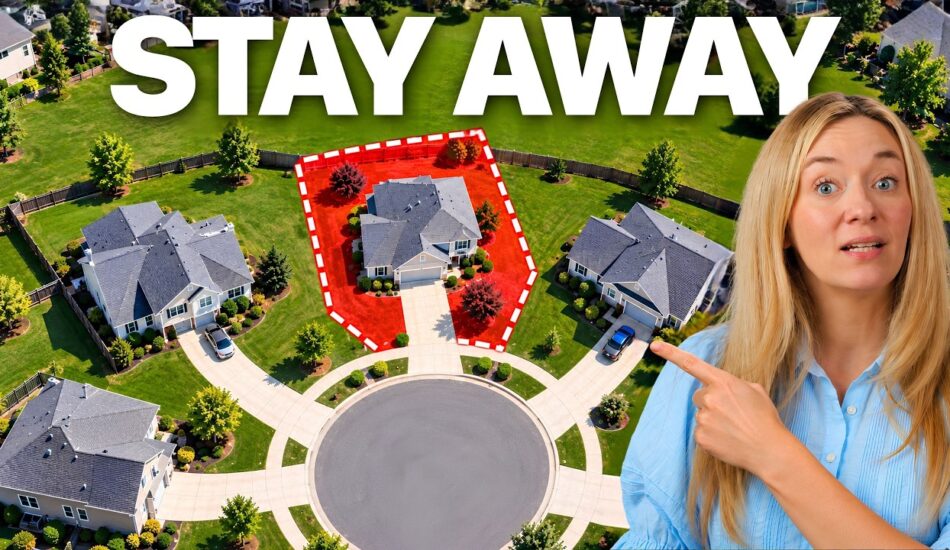
Short answer: Before you buy a house in North Carolina, check five public records. Pull the deed to see who owns it and how. Compare the acreage on the county tax card to the legal description. Search the Register of Deeds for recent filings. Search the Clerk of Superior Court for judgments and lis pendens. Then look at an aerial map for roads or paths that point to an easement.
I can usually tell whether a house has a legal problem in about five minutes, before I read a word of the contract. I’m not doing anything you couldn’t do. I’m just looking in a different place. Here is where, and what each record can tell you.
In the video below, North Carolina real estate attorney Tiffany Webber walks through each check.
The deed tells you who owns the property and how, and that tells you how many signatures the closing will need. A listing is marketing copy. The deed is the actual record, so that is where I start.
Owners come in a lot of shapes. One person, a husband and wife, a trust, an LLC somebody set up in 2011 and hasn’t thought about since, four people holding it as tenants in common. The seller might be four different people who all have to agree in writing on the same day. It might be a trustee who needs authority in the trust document to sell. It might be an LLC where somebody has to show they can sign for it.
The red flag is a mismatch. The listing says the owner is ready to sell, and the deed has four names on it. That doesn’t automatically mean anything is wrong. Families own property together all the time and everybody signs. But you want to know before you are attached to the place. We once looked at a shared access lot where owners in the community kept conveying small pieces to each other for years without anybody tracking it. By the time somebody added it up, more than 180 percent of that lot was owned, if you believed every deed.
Does the Acreage on the Tax Card Match the Deed?
Often it doesn’t, and the deed is the one that governs. Pull the county tax card, read the legal description on the deed, and compare both to what the listing says you are buying.
A lot of the time a mismatch is nothing. Tax records get rounded. Older legal descriptions were written by somebody walking a field with a compass in 1948, and they mention a creek that moved or an oak tree that is gone. But sometimes a piece of the property was sold off years ago and nobody said so. And sometimes the sellers honestly don’t know. They have said they own 11 acres their whole life because their father told them so, and nobody has measured since. We have a whole post on the two minute legal description check most buyers skip.
How Do I Find Liens, Judgments, or a Lis Pendens on a Property in NC?
Search two offices in the county where the property sits. The Register of Deeds holds deeds, deeds of trust, releases, easements, and recorded covenants. The Clerk of Superior Court indexes judgments, many lien filings, and notices of pending lawsuits, called lis pendens. Around Lake Norman that usually means Iredell County (Statesville), Mecklenburg County (Charlotte), Lincoln County (Lincolnton), or Cabarrus County (Concord). Most Register of Deeds offices let you search online by the owner’s name.
What you are looking for is a flurry. One old deed of trust from when they bought it is normal. Four new filings in eight months is a story. A mechanic’s lien usually means a contractor did work and didn’t get paid. There might be an HOA lien, or a judgment against the owner. Or an old deed of trust that was paid off but never released, which is more common than you would think and usually fixable, just not on a magic timeline.
The one I really want to see is whether there is a lis pendens. It means a lawsuit about that exact property has already been filed. A new one is probably the loudest thing you can find in five minutes. It doesn’t mean you can’t buy the property, and it doesn’t mean the seller will lose. It means somebody else is claiming the thing you are about to pay for, and you want to know what that claim is first.
How Can I Tell if Someone Has an Easement Across the Land?
Look at an aerial view, then check whether a recorded easement matches what you see. This matters most if you are buying land, a rural lot, or a big parcel that has been in one family for a long time.
Pull up the satellite image in Google Earth or the county GIS map, which is honestly the most fun part of my job, and I am aware of how that sounds. You are looking for a road, a gravel drive, a worn path, or a power line cut. Pretty much anything that shows somebody has been crossing that land. Then the questions are who has the right to use it, how wide it is, and what they can use it for. Or whether it is one of those old ones that just says right of way and leaves the rest to your imagination. Being the new owner doesn’t change the answer.
Easements aren’t automatically bad. I owned a home with a drainage easement across the back, and it kept the place from flooding. But they can get complicated. I had a case go all the way to the North Carolina Court of Appeals where my clients had an easement established five separate ways at once. If you are looking at land, read our post on easement questions to ask before you buy.
What if the Sellers Aren’t the People on the Deed?
You are probably looking at an estate sale, which is normal but adds steps. If the deed says a husband and wife, and the sellers are three people with a different last name, the property most likely passed to heirs who are now selling it. That happens every week.
But it changes what has to be true before anybody can sign. Was the estate properly probated? Were the right people appointed? Has everybody who inherited an interest been found and agreed to sign, including the cousin nobody has talked to in 15 years? If the property passed down twice without anybody handling it properly, you are tracking down the heirs of the heirs. When all of that has been done, it is a normal closing. When it hasn’t, the deal usually doesn’t fall apart. It just takes four months instead of 45 days.
What These Checks Can’t Tell You
None of this tells you where the property line actually runs on the ground. That takes a new survey. A survey also matters for your title insurance, because an owner’s policy generally won’t cover problems a survey would have found unless one was done. A listing tells you what somebody wants you to think about a property. The record tells you what is actually true. Only one of those is free and public, so go look.
Common Questions
How do I check if a house has a lien on it in North Carolina?
Search the Register of Deeds in the county where the property is for deeds of trust and releases, and search the Clerk of Superior Court records for judgments and lien filings. A closing attorney’s title search covers both.
Where do I find a lis pendens in North Carolina?
A notice of lis pendens is filed and indexed with the Clerk of Superior Court in the county where the property sits. It means a lawsuit affecting that property has already been filed.
How do I find out who owns a property in North Carolina?
Look up the most recent deed at the county Register of Deeds, which is usually searchable online by owner name. The county tax records also list the owner, but the deed is the controlling record.
Why doesn’t the acreage on the tax card match the deed?
Tax records are often rounded and older legal descriptions can be imprecise. Sometimes part of the land was sold off. The legal description in the deed governs, so a mismatch is worth checking.
Is a house being sold by heirs a problem?
Not by itself. Estate sales are common, but the estate has to be handled properly and every heir with an interest has to sign, which can add months to a closing.
Want a Second Set of Eyes on a Property?
At Thomas & Webber, every closing we handle includes a full title search of the county records, and we can tell you what a document on a property actually means before you commit.
Our offices in Mooresville, Cornelius, Denver, and Kannapolis serve owners, buyers, and sellers throughout the Lake Norman area, including Davidson, Huntersville, Sherrills Ford, Troutman, and Statesville.
Tiffany Webber is the owner and managing attorney at Thomas & Webber, with offices in Mooresville, Cornelius, Denver, and Kannapolis, North Carolina. She focuses on real estate and estate planning and has been licensed by the North Carolina State Bar since 2016. Tiffany was named Maximum Lawyer of the Year in 2026 and hosts The Real Estate Lawyer, a YouTube channel with more than 100,000 subscribers. She earned her J.D. cum laude from Charlotte School of Law, graduating in the top 10 percent of her class, and has been recognized as a North Carolina Lawyers Weekly Rising Star (2021) and a Super Lawyers Rising Star (2023–2026).